

Sun Country is losing junior pilots to the dominant carrier in its home market at a rate that has forced the airline to cut passenger flying, parent company Allegiant acknowledged Tuesday.
Speaking during Allegiant’s second-quarter earnings call, CEO Greg Anderson said the elevated attrition is concentrated among Sun Country pilots based in Minneapolis/St. Paul. The “vast majority” of those leaving joined the airline within the past three years, he said.
According to Anderson, the pilots are moving to the “largest full-service carrier in MSP” after that airline increased hiring by “maybe double or more.”
He stopped short of naming Delta during the call, which is the airport’s largest airline.
The comments represent Allegiant’s most detailed public explanation yet of the staffing woes at Sun Country, which Allegiant acquired in May.
“In general … we have a number of pilots across both airlines that ultimately, it’s a small number—but ultimately, they want to work for a full-service carrier,” Anderson said.
In a statement provided to AirlineGeeks last month, the company attributed its fall schedule reductions to seasonal demand, higher-than-expected cargo flying, and an expanded pilot pathway program that required experienced pilots to become instructors.
But an internal memo obtained by AirlineGeeks offered a more direct explanation. In the July 3 message, Anderson told employees the cuts were caused by “higher-than-expected front-line crew attrition combined with increased cargo flying.”
Sun Country subsequently removed roughly 348 September departures, equal to about one-third of its previously planned flying for the month. Seven routes were suspended, while several others received significant frequency reductions.
During Tuesday’s call, Anderson confirmed that the attrition and schedule reductions extend beyond a routine seasonal adjustment.
“Over the past few months, Sun Country has experienced elevated pilot attrition, concentrated among its junior MSP pilots and largely driven by increased hiring at the largest carrier in the Twin Cities,” he said.
“In response to this attrition and elevated fuel prices, we are reducing off-peak capacity in the Twin Cities during the back half of the year,” Anderson added.
Cargo Flying
Although Anderson described the number of departing pilots across Allegiant and Sun Country as relatively small, the operational impact at Sun Country has been substantial enough to reshape its schedule.
The airline’s growing cargo operation compounds the problem.
Sun Country generated a record $50.6 million in cargo revenue during the second quarter and recently added two more aircraft to its Amazon flying.
Allegiant executives said the cargo operation is less efficient on a crew-hour basis during the expansion period and typically draws pilots away from scheduled passenger service.
“As a reminder, at standalone Sun Country and in the current state of integration, cargo flying is less efficient on a crew-hour basis and will typically draw from scheduled service resources during the ramp-up period as additional aircraft enter the cargo program,” Chief Commercial Officer Drew Wells said.
The company expects cargo revenue to increase slightly again in the third quarter.
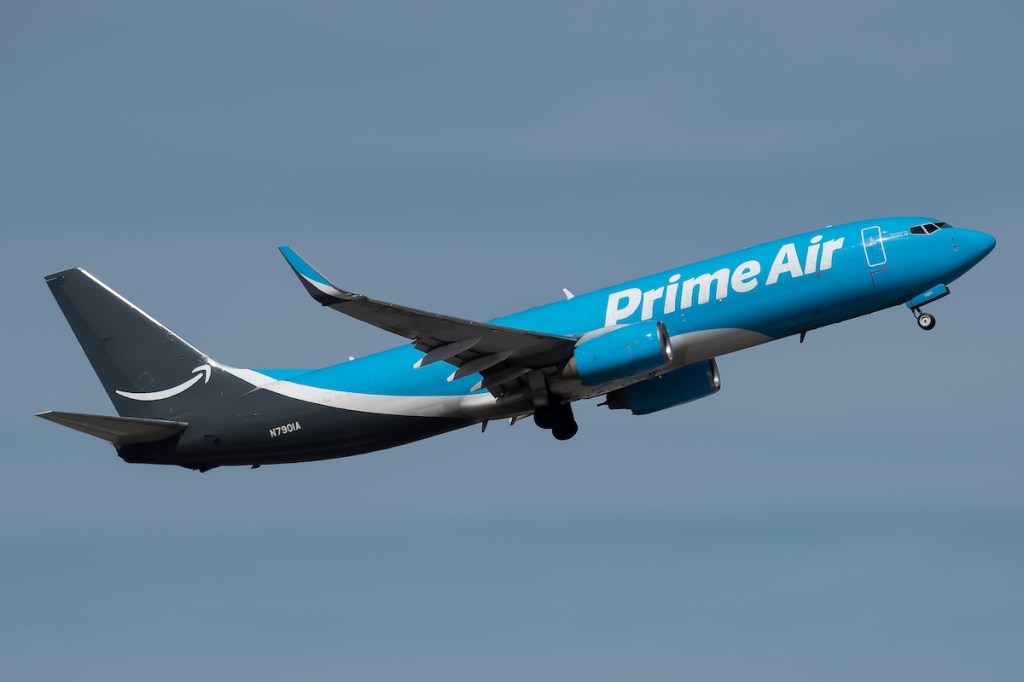
Combined scheduled-service capacity at Allegiant and Sun Country is expected to fall approximately 5.5% year over year during the quarter. Executives said Sun Country’s reductions are tied specifically to pilot attrition, increased cargo flying, elevated fuel prices, and broader cuts to off-peak capacity.
“Sun Country additionally pulled down the September capacity in response to elevated pilot attrition and the planned increases in cargo flying,” Wells said.
The staffing problem is emerging during the early stages of Allegiant’s integration of Sun Country. Allegiant completed the acquisition on May 13, meaning Sun Country’s results were included in the combined company’s financial statements for only part of the second quarter.
The two airlines continue to operate under separate certificates, pilot groups, and labor agreements. Allegiant submitted a transition plan to the Federal Aviation Administration and is targeting approval of a single operating certificate during the first half of 2028.
Executives repeatedly emphasized that maintaining stability at both airlines is the company’s immediate priority.
“First and foremost, stability above all,” Anderson said during the call. “Both airlines are performing well operationally and financially.”
But the pilot situation also highlights the different labor environments facing the two carriers.
Legacy Allegiant pilots recently ratified a new collective bargaining agreement, with nearly 80% voting in favor. The deal includes improvements to pay, benefits, quality of life, and scheduling, along with the payout of an approximately $275 million retention bonus that the company had been accruing since 2023.
“We’re very happy to have a deal ratified by our pilots,” Anderson said. “It improves pay, benefits, [and] quality of life.”
Sun Country pilots, meanwhile, remain covered by a separate agreement that became amendable in December 2025. The airline’s approximately 670 pilots are represented by the Air Line Pilots Association.
The union previously called the spike in departures “deeply concerning” and urged management to address its underlying causes rather than rely on a short-term response.
Anderson said the airline’s training classes are full and that the supply of qualified applicants remains strong. The company has expanded training in preparation for 2027, with newly hired pilots expected to enter service later this year.
“Our schoolhouse is full,” Anderson said. “It’s full on the Sun Country side. We have multiple classes.”
“The number of applications for candidates, cadets, and pilots is off the charts—very highly qualified—and they value what we offer,” he added.
Allegiant expects to restore growth in Minneapolis in 2027 using a combination of Sun Country- and Allegiant-operated flights. Executives specifically pointed to March 2027 as the period when they want staffing and flying positioned for recovery.
“We’re confident we’ll manage through it,” Anderson said. “It’s a headwind in the near term.”
Still, he stopped short of declaring that attrition has peaked.
“The recent trends over the past couple of weeks have been encouraging, but we’re planning for the worst,” he said. “We’re going to continue to hire and try and get ahead of it as quickly as we can.”
Anderson added that attrition remains “out of our control to a degree.”


